Is Hair Perming Making a Comeback?The Vanishing Skill Hairdressers Need in 2026
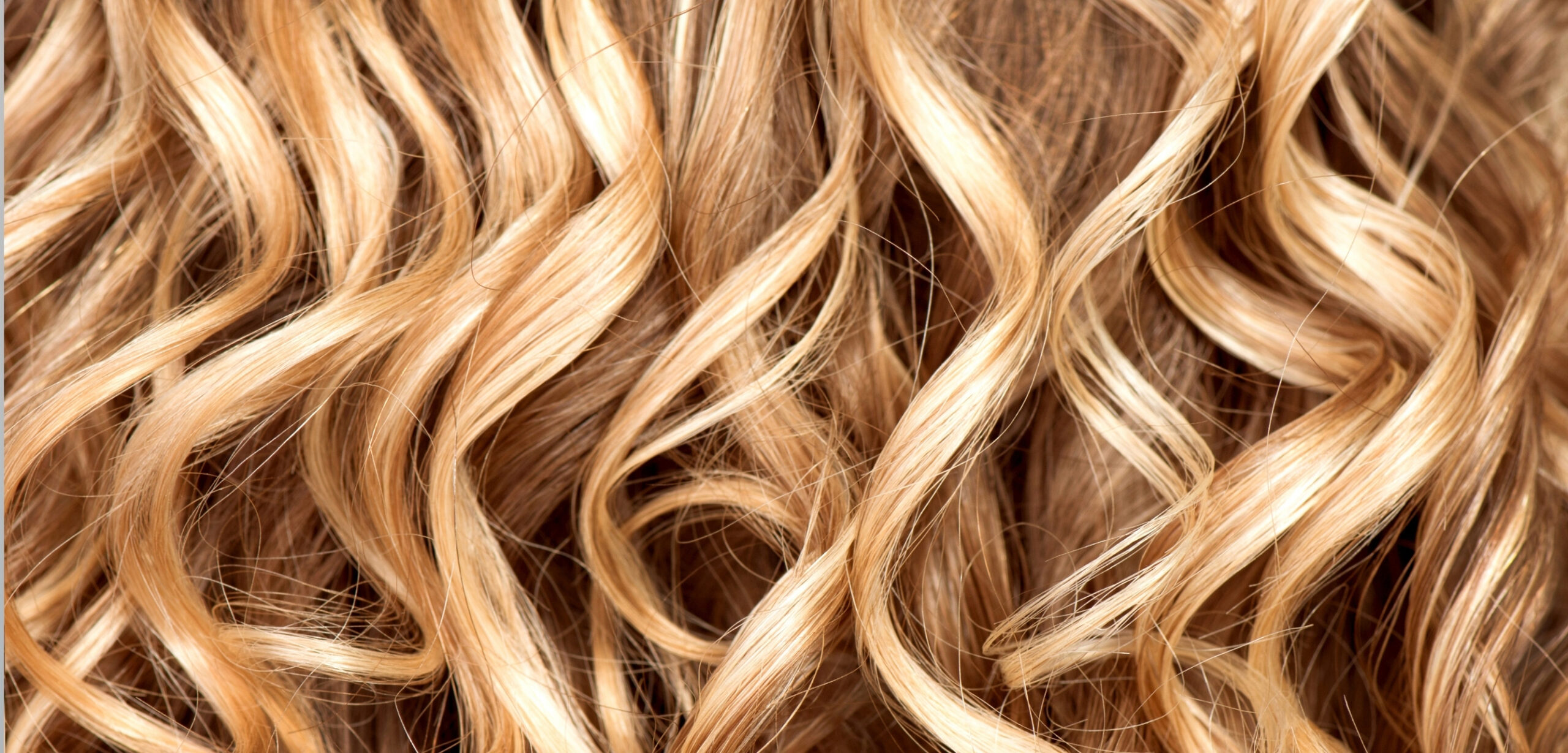
Perming has always had a reputation problem.Ask most people what they picture when they hear the word“perm”and you’ll probably get a wince and a mental image of tight 1980s curls.But walk into any salon in 2026 and you’ll see something very different happening:soft,bouncy spirals,texture-boosting body waves,and loose,undone-looking curls that all trace back to one technique — perming,done properly.
The trouble is,fewer and fewer hairdressers actually know how to do it.
A Skill That’s Quietly Disappearing
Perming isn’t taught the way it used to be.Many hairdressing courses skim over it,if they cover it at all,because demand dipped for years while smoothing and straightening treatments dominated.The result is a generation of stylists who are confident with colour,cutting,and blow-drying,but who’ve never picked up a perm rod in a professional setting.
Recent industry surveys suggest fewer than 1 in 5 hairdressers currently feel confident performing a perm — a striking gap for a technique that’s now back in demand.When a skill becomes this rare,it stops being a“nice to have”and starts being a genuine point of difference.Clients asking for texture and volume increasingly have to search harder to find a salon that can actually deliver it.
Why Perms Are Back
A few things are driving the renewed interest heading into 2026 and 2027:
- The shift away from poker-straight hair.Texture,movement,and“your hair but better”styles have taken over from the ultra-sleek look that dominated the last decade.
- Low-maintenance styling.Clients are tired of daily heat styling.A well-executed perm gives lasting texture that cuts down on time spent with straighteners and curling wands.
- Social media’s love of“second-day hair”texture.The tousled,lived-in curl look that performs so well online is much easier to achieve — and maintain — with the right perm foundation underneath.
For salons and stylists,that adds up to real client demand meeting very limited supply of properly trained talent.
What Modern Perming Actually Involves
Perming today is a much more considered process than the one-size-fits-all approach of decades past.A skilled stylist needs to understand:
- Solution selection— choosing the right formulation for natural,resistant,or coloured hair,and knowing when an alkaline versus an acid-based solution is appropriate.
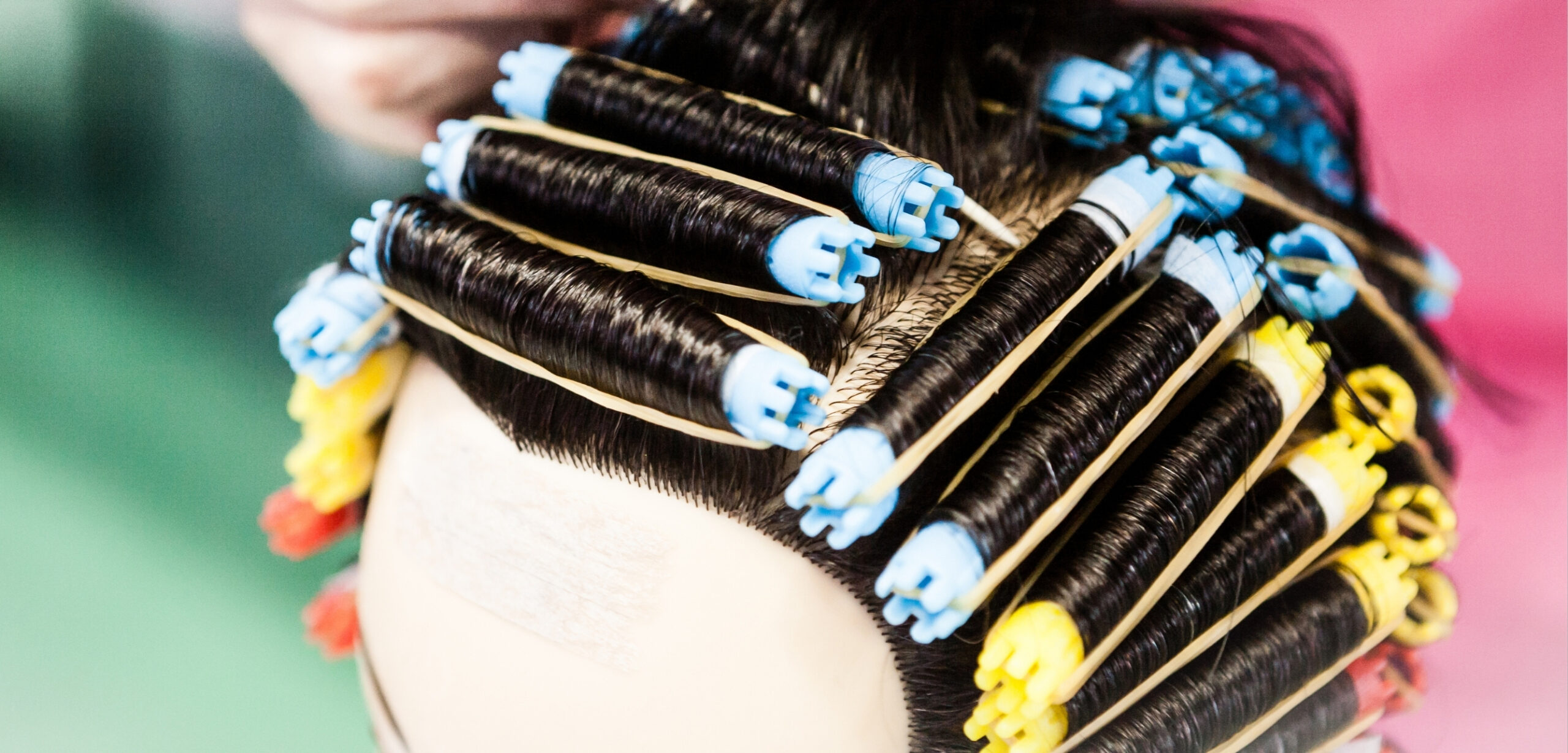
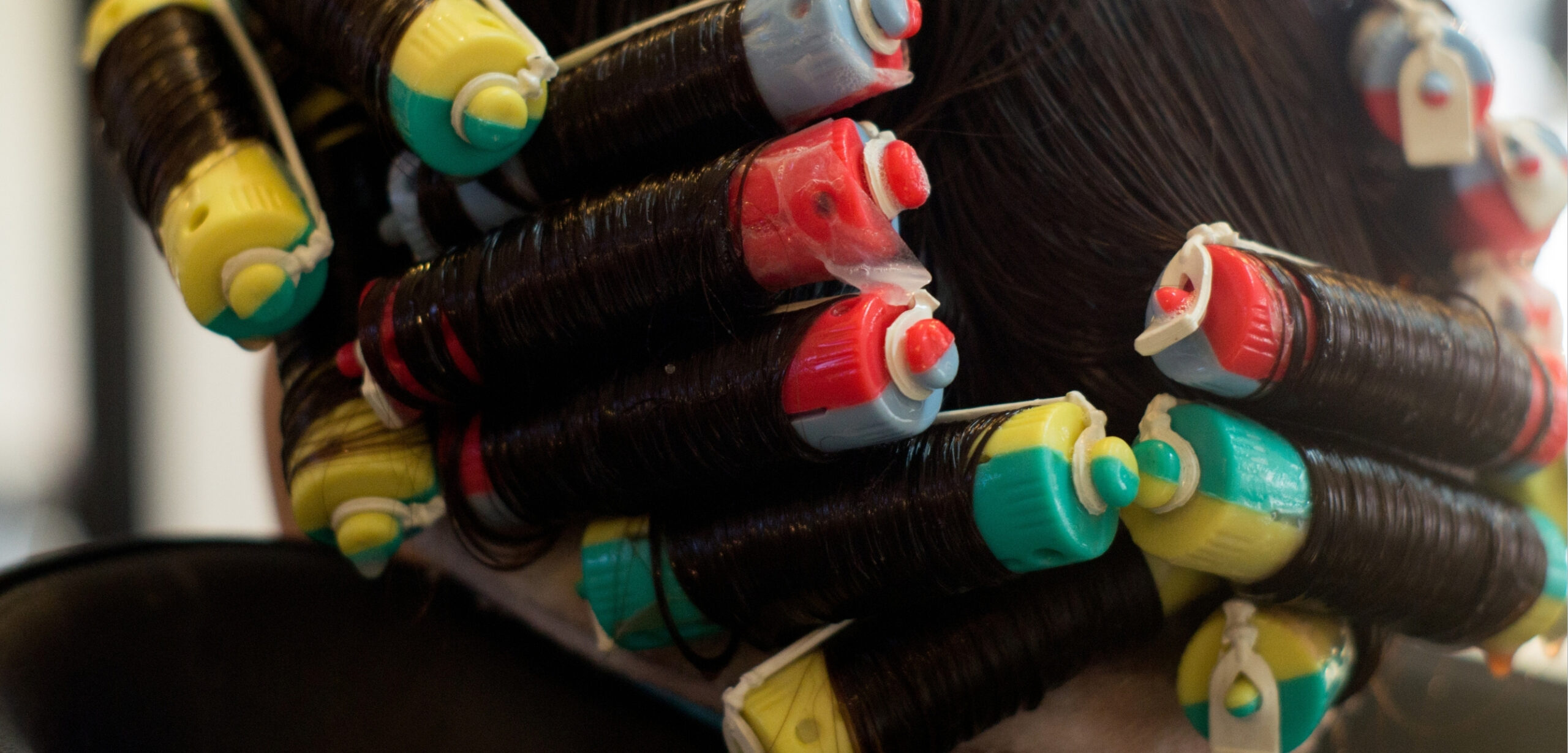
- Winding technique— traditional,brick lay,piggyback,spiral,and directional winding all produce different curl patterns and levels of movement,and choosing the right one is what separates a natural-looking result from a dated one.
- Hair condition assessment— perming coloured or previously treated hair requires a different approach to protect the hair’s integrity.
Get these fundamentals wrong and the result is exactly the stereotype people are trying to avoid.Get them right,and the result is soft,healthy-looking texture that looks intentional rather than accidental.
The Science Behind Why a Curl Actually Holds
Perming isn’t just about wrapping hair around a rod — it’s a chemical process,and understanding the science is what separates a curl that lasts from one that drops out within a few washes.
Hair gets its strength and shape from disulphide bonds inside the hair’s protein structure.The perming solution works by breaking these bonds,which temporarily softens the hair and allows it to be reshaped around the rod.Once the hair has taken the shape of the rod,a neutraliser is applied.The neutraliser reforms the disulphide bonds,but this time in their new,curled position — effectively“locking in”the shape at a structural level rather than just styling the surface.
This is exactly why timing and technique matter so much.Leave the perming solution on too long and you risk over-processing and weakening the hair;rinse or neutralise too early and the bonds won’t reform properly,leaving a curl that relaxes out within days.
Why Rinsing Properly Is So Important
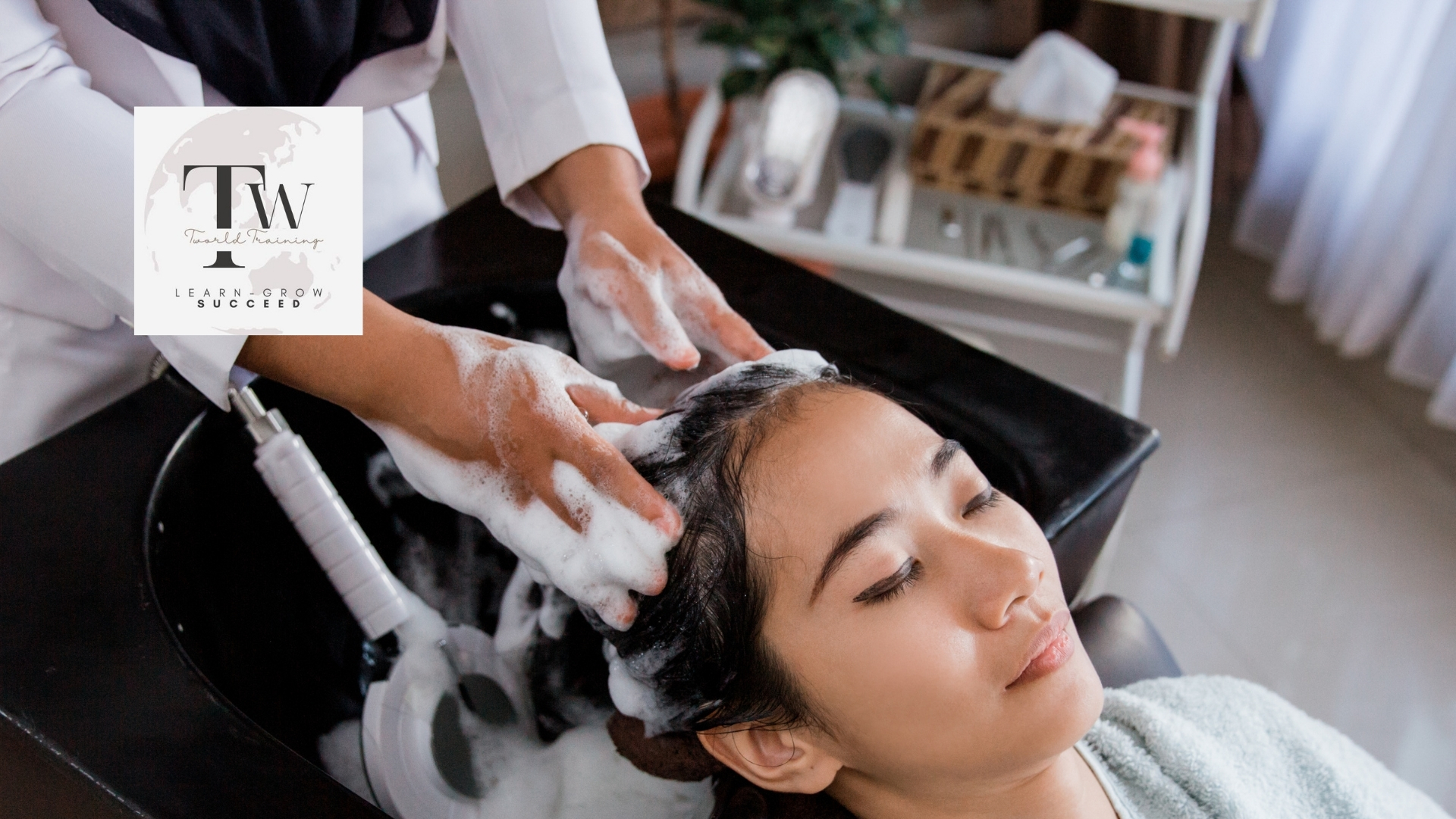
Thorough rinsing between the perming solution and the neutraliser step is one of the most easily underestimated parts of the whole process.Any leftover perming solution still on the hair when the neutraliser is applied can interfere with how well the disulphide bonds reform,which affects both the strength of the curl and the long-term condition of the hair.
A rushed or incomplete rinse is a common cause of perms that either drop quickly or end up over-processed and damaged.Teaching stylists to rinse thoroughly and correctly — not just quickly running water over the hair — is a core part of getting a reliable,repeatable result every time.
Conditioning After Perming:The Difference Between Soft Curls and Frizz
The perming process,by its nature,leaves the hair’s outer cuticle slightly raised and more porous than usual.That’s a normal and expected part of the chemical process — but it also means freshly permed hair is more vulnerable to moisture loss and frizz if it isn’t cared for properly afterwards.
Good post-perm conditioning does two key jobs:
- Smooths the cuticle back down,helping the hair reflect light better and reducing the frizzy,fluffy texture that gives perms a bad reputation.
- Replenishes moisture and protein balance,since the perming process can leave hair temporarily more porous and prone to dryness.
Clients who skip proper aftercare — or who wash and heat-style too soon after perming — are far more likely to end up with the frizzy,undefined curl that people associate with a“bad perm.”Clients who follow a good conditioning routine tend to keep soft,defined curls that hold their shape for months rather than weeks.
This is why aftercare advice isn’t an afterthought in a proper perming service — it’s part of what makes the difference between a client who loves their new texture and one who books in for a straightening treatment two weeks later.
Filling the Gap in Your Skillset
If you’re a hairdresser who trained after perming fell out of fashion,you’re far from alone — but it does mean there’s a genuine opportunity here.Adding a properly accredited perming qualification to your CV means you can say yes to a request that a lot of your competitors currently have to turn away.
OurAccredited Permanent Wave Courseis a focused 2-day course covering spiral perm technique,solution selection for different hair types,all five core winding techniques,and the processing,rinsing,and aftercare knowledge that keeps results looking soft and fresh rather than frizzy — so you leave able to offer modern,client-ready perming with confidence,not guesswork.